
The Role of Skill in Gambling
Skill plays a critical role in many gambling activities, particularly in games like poker, blackjack, and sports betting. In these scenarios, a player’s knowledge of strategies, probability, and game mechanics can significantly influence the outcome. For instance, a seasoned poker player understands the odds and can interpret other players’ behaviors, allowing them to make informed decisions that maximize their chances of winning. Additionally, platforms like 1win provide resources and tools that enhance a player’s game, ensuring that this depth of understanding can convert a novice into a competent player who can consistently outperform others who rely solely on chance.
Moreover, in competitive gambling environments, such as tournaments, skill becomes even more essential. Players who dedicate time to study game theory and strategies tend to achieve better results than those who do not. They can identify patterns, calculate risks, and adapt their strategies in real-time, which is crucial in dynamic situations. The ability to analyze one’s gameplay, learn from mistakes, and refine techniques over time can lead to a consistent winning streak, showcasing how skill truly impacts gambling success.
However, even in skill-based games, the element of luck cannot be entirely disregarded. Random events, such as card draws or dice rolls, can heavily influence the outcomes. While skilled players can mitigate the impact of luck through strategic play, they cannot control every variable. This dynamic interplay between skill and luck creates a complex environment where mastery can certainly lead to improved results but does not guarantee success in every instance.
The Impact of Luck on Gambling Outcomes
Luck is an intrinsic part of gambling that can often overshadow skill, especially in games where outcomes are entirely random, like slot machines and roulette. In these cases, the reliance on chance means that even the most skilled players can experience substantial losing streaks. For example, a player may employ no strategy in a slot game and still hit a jackpot, highlighting how luck can sometimes triumph over skill. This also illustrates the unpredictable nature of gambling, where outcomes can swing dramatically in an instant.
Furthermore, the concept of « hot » and « cold » streaks in games of chance emphasizes the role of luck in gambling. For instance, a roulette wheel may favor certain numbers for a period, leading players to believe they are experiencing a “hot” streak. This phenomenon can mislead players into thinking they can predict outcomes based on recent results, although the reality remains that the game’s nature is entirely based on chance. The allure of sudden, unexpected winnings can create an illusion of control, making players feel that skill is at play when, in fact, luck is the decisive factor.

Ultimately, while luck can lead to sporadic wins, it does not provide a sustainable path to success. Players who rely solely on luck risk significant losses over time. Incorporating elements of skill and strategy into their gameplay can enhance their overall experience and provide better prospects for long-term profitability, illustrating that while luck is influential, it cannot be the sole approach in gambling.
The Balance Between Skill and Luck
The interaction between skill and luck in gambling creates a fascinating dynamic. Many gamblers recognize that their abilities can help sway the odds in their favor, but they must also remain cognizant of the finite nature of luck. Players who embrace this balance can develop a more sustainable gambling strategy that respects both elements. For example, in blackjack, understanding basic strategy and employing card counting can significantly reduce the house edge, while still acknowledging that a poor mix of cards can derail even the best strategy.
In contrast, other games like baccarat exemplify a higher reliance on luck, where skill has a minimal impact. Here, players may find that despite employing strategies, the randomness dictates the outcome more than their decisions do. This sentiment reinforces the need for gamblers to tailor their approaches based on the type of game being played. Adapting strategies based on whether a game favors skill or luck can enhance a player’s experience, making them more aware of where to invest their efforts.
Furthermore, understanding the psychological aspects of gambling can help players navigate the fine line between relying on skill and becoming overly reliant on luck. Gamblers must cultivate discipline and set limits, as the thrill of luck can easily lead to reckless behavior. By focusing on skill development and maintaining a healthy perspective on luck, players can enjoy the gambling experience while minimizing losses and maximizing potential wins.
The Psychology of Winning and Losing
The psychology behind gambling can heavily influence a player’s experience and decision-making process. When players experience a series of wins, whether due to skill or luck, they often develop a sense of confidence that can be beneficial. This confidence can enhance their decision-making ability, leading to more strategic plays. However, it can also create a dangerous mindset, pushing players to take risks that may not align with their skill level, leading to significant losses.
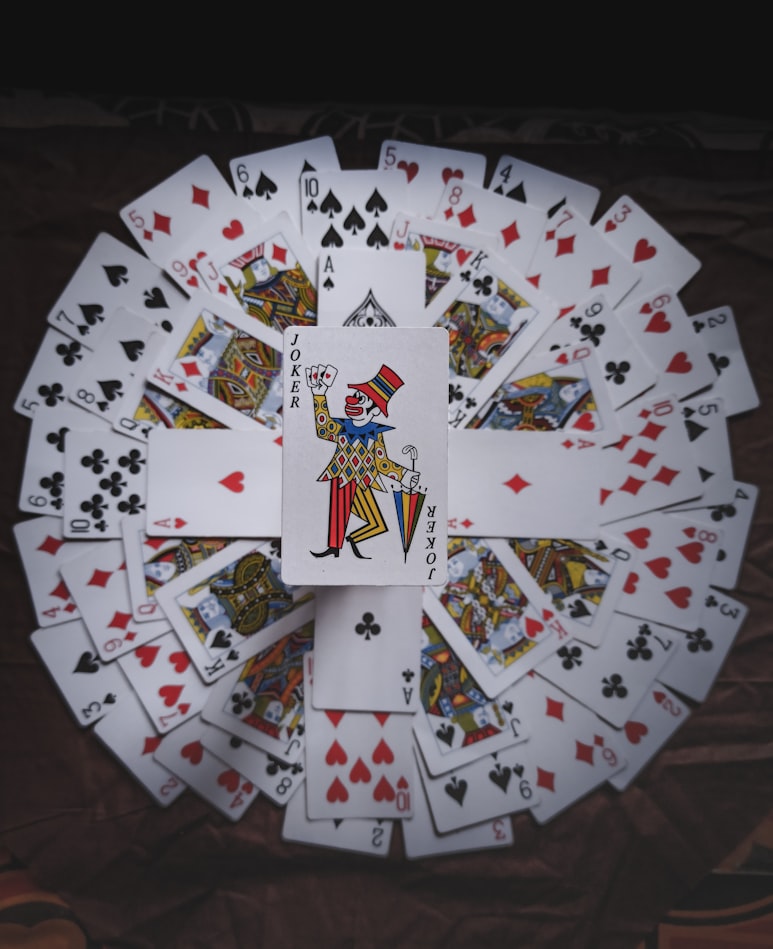
Conversely, prolonged losing streaks can have devastating psychological effects. Many gamblers experience frustration and emotional distress, which can cloud their judgment and lead to irrational decision-making. This phenomenon, often referred to as “chasing losses,” occurs when players attempt to recoup their losses by increasing their bets or engaging in riskier plays. Recognizing these psychological traps is crucial for maintaining a balanced approach to gambling, ensuring that players remain grounded in their skill set regardless of outcomes.
Ultimately, cultivating a strong psychological foundation and understanding the emotional highs and lows of gambling can contribute significantly to a player’s long-term success. By focusing on skill development, practicing self-discipline, and managing emotional responses, players can find a healthier balance between the elements of skill and luck, enhancing their overall gambling experience.
About This Website
This website serves as an informative resource for those interested in exploring the complex world of gambling, providing insights into the roles of skill and luck. We aim to educate gamblers of all experience levels about the intricacies of various games, strategies, and psychological factors involved in gambling. By offering well-researched content, we empower readers to make informed decisions that enrich their gambling experiences.
In addition to providing valuable insights on skill and luck, this website also emphasizes responsible gambling practices. We believe that while the thrill of gambling can be enjoyable, it is essential to approach it with a sense of responsibility and awareness. Our mission is to create a community where players can learn, share experiences, and support one another in their gambling journeys, ensuring that fun remains the focal point.
Moreover, our resources include articles on game strategies, tips for managing bankrolls, and psychological insights into the gambling experience. We are committed to fostering a space where players can not only improve their skills but also engage responsibly and sustainably with the excitement of gambling. Whether you are a casual player or looking to enhance your gameplay, our content is tailored to provide you with the knowledge you need to thrive.
Commentaires récents